


Safaricom’s latest M-PESA payment features point to a shift in how mobile money transactions could be initiated in Kenya, with QR codes, contactless technology and artificial intelligence reducing the need for customers to enter payment details manually.
The introduction of Dynamic Scan-to-Pay, Tap-to-Pay and AI Pay reflects a broader push towards making digital payments more convenient at the point of purchase.
Instead of repeatedly typing merchant numbers, Till or PayBill details and transaction amounts, customers can use scanning, tapping or automated information extraction to initiate payments.
The significance of the changes extends beyond convenience. As mobile money becomes increasingly integrated into everyday commerce, reducing the steps required to complete transactions could influence how customers interact with merchants and how businesses adopt digital payment systems.
Moving beyond manual M-PESA transactions
For many M-PESA users, paying a merchant involves obtaining a Till or PayBill number, entering it into the payment menu, providing an account reference where required and confirming the amount before completing the transaction.
Although this process is familiar to millions of users, it requires customers to transfer information accurately from one source to another. Incorrect numbers, mistyped amounts and confusion over payment references can complicate transactions.
Safaricom’s new features seek to address some of these challenges by automating parts of the payment process.
Dynamic Scan-to-Pay uses QR codes to populate available merchant and transaction details, while Tap-to-Pay allows customers with compatible smartphones to initiate payments through near-field communication (NFC). AI Pay, available through My OneApp, uses artificial intelligence to extract payment information from receipts.
The common thread is a reduction in manual data entry, with customers still expected to review and verify transaction details before completing payments.
Why QR codes, contactless payments and AI matter
The three features reflect different approaches to simplifying digital payments, each addressing a particular stage of the customer experience.
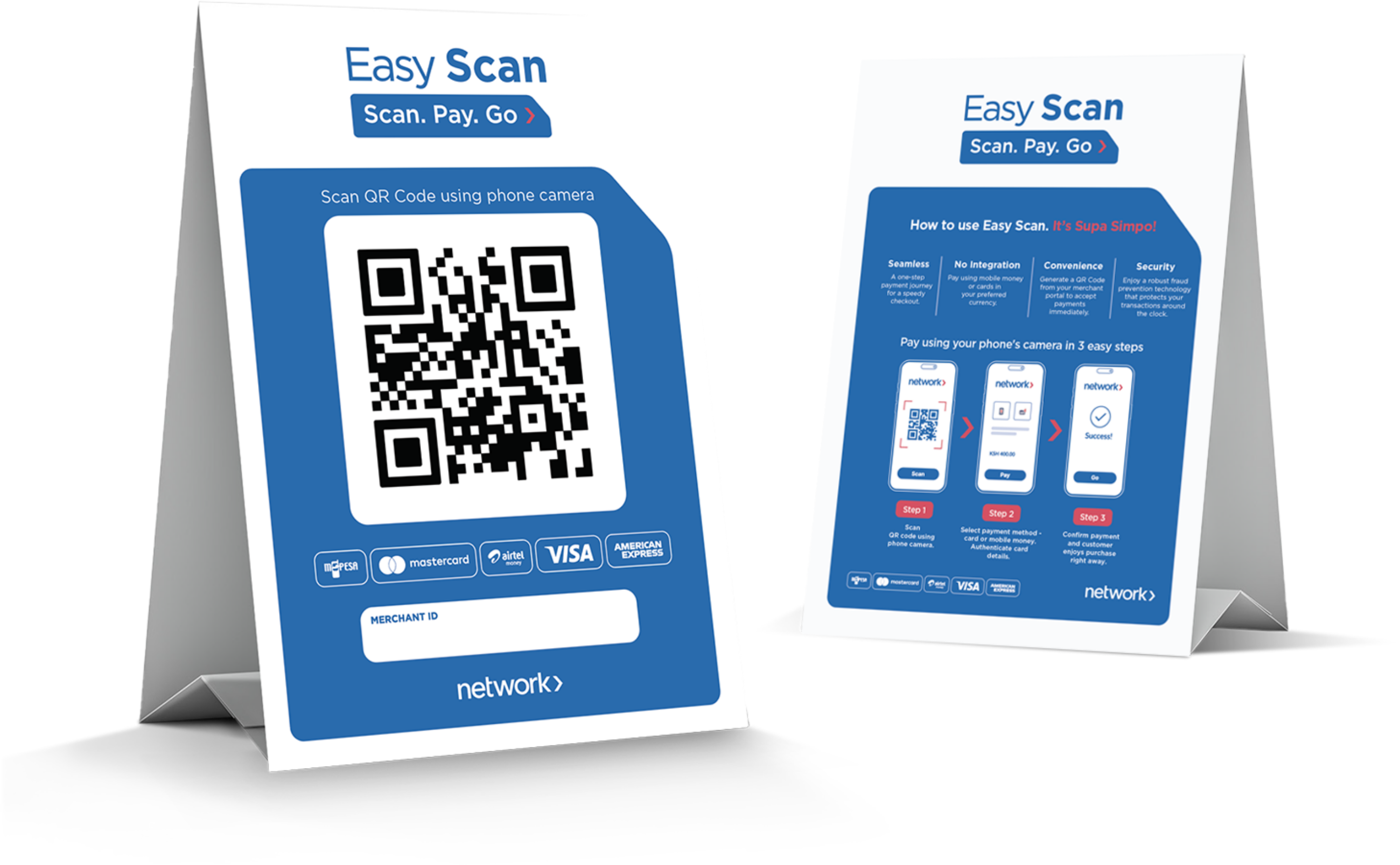
Dynamic Scan-to-Pay builds on the use of QR codes, which allow payment information to be transferred by scanning a code rather than entering merchant details manually. Its introduction through compatible Pesapal point-of-sale terminals could make the process more convenient at participating businesses.
Tap-to-Pay takes a different route by using NFC technology. Customers bring a compatible smartphone close to a supported terminal to initiate a transaction, potentially reducing the number of steps involved at checkout.
AI Pay introduces another layer of automation by attempting to read payment information from receipts, including handwritten ones. This could be useful where customers receive payment instructions on paper and would otherwise need to copy the information into their phones.
However, the practical value of these tools will depend on their accuracy, ease of use and availability. QR-based payments require participating merchants, contactless payments require compatible phones and terminals, and AI-based extraction depends on the quality and clarity of the information being scanned.
Merchant adoption will determine their reach
One of the central questions is whether the new payment options will become widely available across the businesses where Kenyans use M-PESA.
Safaricom has said its existing Scan-to-Pay service is available at more than 60,000 merchants. However, that figure should not automatically be interpreted as the number of outlets supporting every new Dynamic Scan-to-Pay or Tap-to-Pay function.
The rollout through the Pesapal POS network means merchant participation and terminal compatibility will be important factors in determining how many customers can use the new options.
Larger retailers and businesses already operating compatible payment terminals may be better positioned to adopt contactless payments. Smaller traders may require access to suitable technology, training and clear information on the benefits of upgrading their payment processes.
For customers, familiarity will also matter. A payment option may be technically advanced, but its success will depend on whether people understand how to use it and can access it conveniently when making everyday purchases.
Convenience must be matched by security
Reducing manual entry can help prevent some transaction errors, but automation does not eliminate payment risks.
QR codes can direct users to incorrect or fraudulent payment destinations if they are not verified. NFC payments still require customers to check transaction prompts and follow the relevant security procedures. AI systems may also misread handwritten or poorly printed information, potentially extracting the wrong merchant number or amount.
Customers should therefore confirm the merchant’s identity, verify the payment details and check the amount before authorising a transaction. They should also use official applications and follow Safaricom’s security guidance.
The distinction is important: these tools can simplify how payment information is entered, but customers remain responsible for checking that the intended transaction is correct.
Could the changes reshape digital payments in Kenya?
M-PESA has become a central part of Kenya’s retail and service economy, supporting payments between individuals, businesses and institutions. Changes to how customers pay merchants can therefore have implications beyond the mobile phone interface.
If the new options gain wider adoption, they could make digital payments more seamless in participating businesses and reduce the friction associated with entering payment details. They may also encourage merchants to consider payment experiences that are faster and easier for customers to navigate.
AI Pay, in particular, illustrates how artificial intelligence is moving into routine financial interactions. Rather than being used only for customer support or information retrieval, AI can help interpret information that customers need to complete a transaction.
Still, the introduction of new features alone does not establish how much they will increase transaction volumes, reduce errors or change consumer behaviour. Those outcomes will depend on adoption, reliability, merchant coverage and customer confidence over time.
The next test is practical adoption
Safaricom’s Dynamic Scan-to-Pay, Tap-to-Pay and AI Pay offerings represent different ways of reducing the manual work involved in initiating M-PESA payments.
Their longer-term impact will depend on whether the services are accessible to enough customers and merchants, whether they operate reliably in everyday conditions and whether users trust the systems handling their payment information.
For consumers, the immediate change is the prospect of scanning, tapping or extracting details instead of entering every piece of information manually. For businesses, the opportunity lies in making checkout more convenient without compromising accuracy and security.
Ultimately, the success of these payment tools will be measured not simply by the technology they introduce, but by how effectively they solve everyday problems for the people and businesses that rely on M-PESA.