

In a decisive move that signals heightened scrutiny for tech-related crimes, the Directorate of Criminal Investigations (DCI) has put on notice individuals involved in the illegal flashing and tampering of M-KOPA mobile devices.
This warning comes as the National Criminal Investigations Academy (NCIA) and the leading asset-financing firm M-KOPA join forces to supercharge the way detectives process crime scenes linked to the company’s operations.
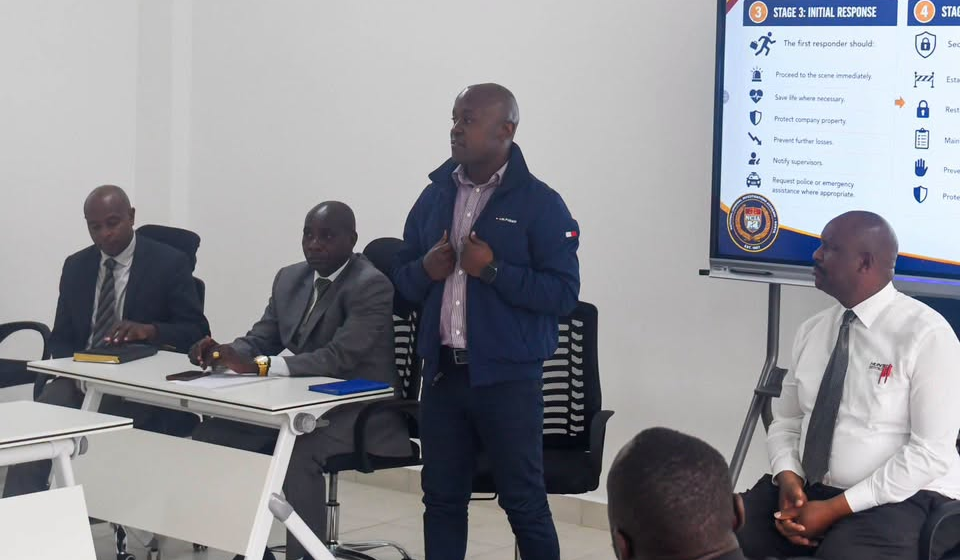
Recognizing that the cornerstone of any airtight case is laid at the very scene of the crime, the NCIA on Tuesday officially kicked off a two-day intensive Basic Crime Scene Investigation Workshop.
The specialized training is designed specifically for detectives handling cases within M-KOPA’s operational sphere, focusing on the rising tide of theft, fraud, and vandalism affecting the company’s inventory.
The high-stakes workshop has drawn investigators from various regional offices across the country, all converging to refine their expertise in the meticulous arts of crime scene management, evidence preservation, and forensic documentation.
The curriculum is heavily geared toward ensuring that evidence collected from compromised devices and vandalized stock can withstand the rigors of forensic and legal scrutiny, thereby bolstering the quality of prosecutions in court.
Officially opening the session, NCIA Deputy Commandant Mr. Stephen Chacha emphasized that the evolving nature of crime demands an equally evolved response from law enforcement. He made it clear that the ability to secure a conviction often hinges on the quality of work done in the first few minutes of an investigation.
“Crime scene management is the foundation of every successful criminal investigation. The ability to identify, preserve, and process evidence professionally often determines the strength of a case,” stated Mr. Chacha. “This partnership reflects our shared commitment to building investigative excellence through continuous learning and knowledge sharing.”
Mr. Chacha lauded the strategic collaboration between the NCIA and M-KOPA, pointing out that such public-private partnerships are vital for building a robust investigative capacity.
He noted that by protecting businesses like M-KOPA from systemic losses, the partnership ultimately enhances public safety and fortifies the administration of justice.
The workshop is not merely a theoretical exercise; it blends rigorous classroom instruction with practical, hands-on demonstrations. Detectives are being put through their paces in mock crime scenes, learning how to effectively process incidents involving flashed phones, tampered software, and other sophisticated offenses that plague the asset-financing sector.
This initiative serves as the latest and most pointed warning from the DCI to criminal networks: with enhanced training and strategic partnerships, the net is tightening around those who seek to exploit mobile technology for illegal gain. The message from investigators is clear—if you are flashing an M-KOPA phone, the DCI is coming for you.